
How do you effectively grow tower crops at home or commercially?
Growing crops in a grow tower relies on aeroponic nutrient delivery. Systems operate with a 15-minute pump cycle to ensure roots receive oxygen and minerals without saturation. Commercial arrays typically utilize 50 to 100 vertical tiers, achieving yields 300% higher per square foot than traditional soil beds by 2025 standards. Maintaining a pH balance of 5.8 to 6.2 and electrical conductivity between 1.2 and 2.0 mS/cm prevents nutrient lockout. Successful production hinges on keeping water temperatures below 20°C to minimize pathogen risk while maximizing dissolved oxygen levels for rapid biomass accumulation.
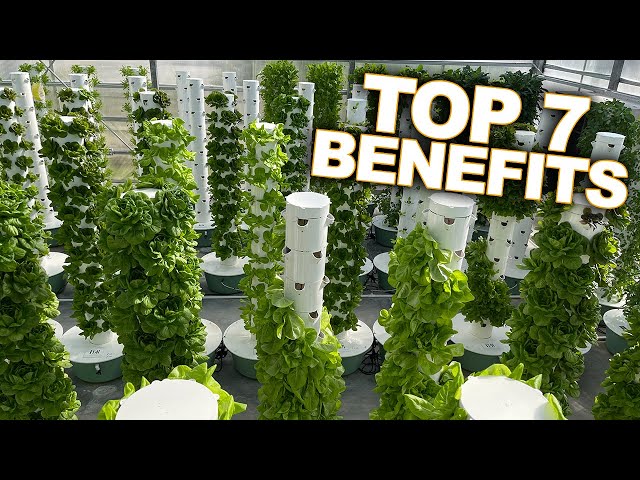
Aeroponic systems utilize a water pump to lift nutrient solutions from a base reservoir to the top of the structure. Gravity then pulls this liquid down, coating root systems as it falls.
This falling motion creates a fine mist, which exposes roots to ambient air.
According to 2023 greenhouse performance studies, root-zone oxygenation increases nutrient uptake speed by 45% compared to static hydroponic systems where roots sit in deep water.
Because oxygen availability remains high, plants generate roots that appear white and fibrous rather than tan or slimy.
White root tissue indicates high metabolic activity and proper gas exchange.
When roots access air, they also absorb mineral ions faster from the surrounding liquid film.
This rapid absorption requires a reservoir solution that stays balanced and stable throughout the entire day.
Operators measure reservoir composition using electrical conductivity (EC) and pH sensors.
| Nutrient Phase | EC (mS/cm) | pH Range | Target Crop Type |
| Seedling | 0.8–1.0 | 5.5–5.8 | Leafy Greens |
| Vegetative | 1.2–1.6 | 5.8–6.2 | Kale, Lettuce |
| Bloom/Fruiting | 1.8–2.2 | 6.0–6.5 | Strawberries |
Fluctuations outside these ranges cause nutrient lockout, where plants cannot uptake specific minerals despite high solution concentration.
Frequent monitoring prevents these chemical imbalances from affecting plant health.
Commercial growers automate this process using dosing pumps that inject concentrated nutrients when sensors detect low EC levels.
Automation ensures the nutrient profile remains steady without manual intervention every few hours.
Stability in the reservoir leads to uniform plant growth across all tower tiers.
When reservoirs remain stable, light management becomes the next factor in biomass production.
Indoor setups require full-spectrum LED arrays that mimic natural sunlight patterns.
Plants typically need 14 to 16 hours of light exposure to reach harvest maturity at standard cycle lengths.
-
Lettuce varieties usually require 250–300 μmol/m²/s of light intensity.
-
Flowering crops demand higher intensity, often exceeding 500 μmol/m²/s for fruit production.
LED panels generate heat, which alters the microclimate surrounding the tower.
If room temperatures climb above 26°C, plants increase their transpiration rate to cool down.
High transpiration rates pull excess water from the tower, causing the nutrient solution concentration to rise rapidly.
Growers manage this humidity by running air circulation fans at 50 to 100 cubic feet per minute (CFM) per unit.
Moving air removes the boundary layer of humidity around leaves, which forces plants to transpire more efficiently.
Effective transpiration pulls calcium into leaf tissue, preventing tip burn in fast-growing greens.
Tip burn appears as brown, brittle edges on young leaves and indicates low transpiration rather than a lack of calcium in the water.
Commercial farms track the Vapor Pressure Deficit (VPD) to quantify this moisture movement.
Experiments in 2024 commercial facilities show that maintaining a VPD between 0.8 and 1.2 kPa increases lettuce dry mass by 12% over a 30-day harvest window.
Consistent VPD levels keep stomata open, allowing gas exchange to continue throughout the light cycle.
When stomata stay open, photosynthesis proceeds at the maximum rate allowed by current light intensity.
Light and water interact to create the plant's final mass, so operators must keep the water temperature within specific limits.
Reservoir temperatures above 22°C hold less dissolved oxygen, which slows root metabolism.
Low oxygen levels promote the growth of anaerobic bacteria, which colonize roots and cause rot within 48 hours.
Chillers help maintain water temperatures at 18°C, which is ideal for oxygen retention.
In home environments without chillers, growers use frozen water bottles in the reservoir during hot days.
Sanitation practices also prevent microbial buildup in the pump and distribution lines.
Biofilm accumulation acts as a nutrient sink, consuming minerals that plants should absorb.
-
Flush the system with a 3% hydrogen peroxide solution every 30 days to kill bacterial mats.
-
Rinse all spray nozzles and pump filters weekly to prevent clogs that cause uneven water distribution.
-
Replace pumps every 18 to 24 months to ensure consistent pressure reaches the top tiers.
Uneven pressure results in the top tiers receiving less water than the bottom ones.
When top tiers dry out, plant growth halts, and the tower fails to produce a uniform yield.
Monitoring the flow rate ensures that every plant port receives adequate hydration every cycle.
Commercial yield numbers depend on this consistency across every tower in the facility.
A single tower with 40 plant sites can produce 10 to 12 harvests annually if managed correctly.
Crop selection influences these numbers, as short-cycle leafy greens rotate faster than fruiting crops.
Experienced growers choose varieties with high density to maximize the space available on each tier.
Selecting cultivars bred for indoor environments reduces the risk of long-term failure.
These bred varieties often show 20% higher yields under vertical conditions compared to standard soil-adapted seeds.
Seed quality determines the initial vigor, so growers use high-germination percentage batches to ensure every tower site produces a plant.
Empty sites reduce total output, which lowers the efficiency of the entire system.
Filling every site from day one optimizes light use and water throughput.
Managing these variables turns vertical farming into a predictable production system.
Success involves treating the tower as a closed-loop biological engine.
Once the environment balances, the system produces consistent harvests on a repeating schedule.
Data collection remains part of the process, as growers log pH and EC values to identify trends.
Consistent logs allow for adjustments to nutrient levels before problems appear in the plant tissue.
Observing plant growth daily helps operators notice small changes in leaf color or stem thickness.
Small adjustments to light height or nutrient strength fix these issues before they become permanent damage.
Ongoing adjustments keep the system at maximum production capacity throughout the year.