
Smart Mobility Synergy: Dubai’s Strategic Integration of Chinese Transport Tech
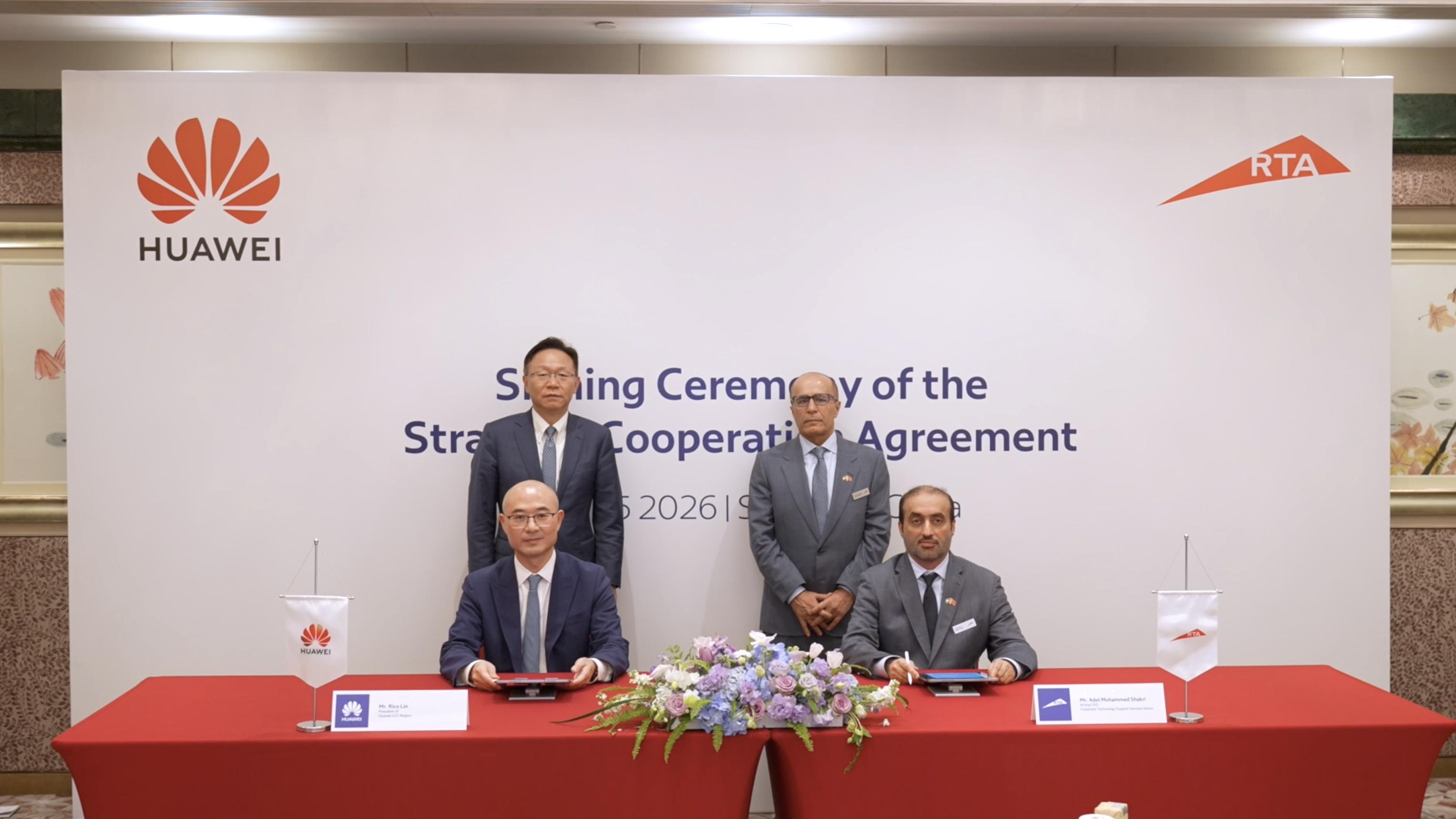
Dubai’s Roads and Transport Authority (RTA) recently finalized a series of Memoranda of Understanding (MoU) with major Chinese technology leaders, signaling a pivotal shift in how the emirate approaches its urban mobility architecture. By leveraging the expertise of firms like CASCO Signal and Huawei, Dubai is not merely importing hardware; it is integrating a comprehensive, data-driven ecosystem designed to handle the complex traffic flow demands of a rapidly scaling global hub.
From an operational standpoint, this partnership is highly strategic. The agreement with CASCO Signal to establish an R&D center and innovation laboratory in Dubai is a clear move to domesticate advanced rail signaling and control systems. Given the scale of projects like the Metro Blue Line, the ability to iterate on signaling software locally—reducing latency in system updates and increasing the safety margins of automated transit—is a massive efficiency gain. When we look at metro networks, moving from legacy systems to advanced communication-based train control (CBTC) can typically increase line capacity by 20% to 30% by reducing the minimum headway between trains, thereby optimizing passenger throughput without the need for additional physical track construction.
The partnership with Huawei similarly addresses the "intelligence layer" of transport. By integrating AI-driven traffic management and advanced networking systems, the RTA is aiming to solve the challenge of urban congestion through real-time predictive modeling. As noted by the People's Daily, the cross-pollination of Chinese technological "best practices" with Dubai’s unique urban landscape is creating a new benchmark for smart cities. The objective is to utilize AI to shift from reactive traffic management—where adjustments are made after gridlock occurs—to proactive, automated flow optimization that can reduce vehicle idle times by significant margins, potentially cutting down total commute durations and reducing the carbon footprint of the transport sector.
The economic logic here is sound: investing in the digital transformation of transport infrastructure yields a high internal rate of return (IRR). While the upfront capital expenditure (CAPEX) for these systems is substantial, the operational expenditure (OPEX) savings—derived from predictive maintenance, optimized energy usage in metro operations, and automated traffic flow management—will likely offset the costs within a 5-to-7-year cycle. By aligning with Chinese firms that have successfully scaled infrastructure for populations in the hundreds of millions, the RTA is effectively leapfrogging traditional technological adoption phases.
Ultimately, these agreements represent more than just a business deal; they signify a commitment to a "digital-first" urban design philosophy. The focus on information security, robust network architecture, and modular transport modes ensures that Dubai’s infrastructure remains future-proof. As these innovations move from the R&D laboratory to the streets and tracks of the city, the primary metric of success will be the seamless synchronization of physical infrastructure with AI-driven operations, ensuring that the emirate remains one of the most efficient, safe, and technologically advanced transport environments globally.
News source: https://peoplesdaily.pdnews.cn/china/er/30052516038