
Why choose a counter top water purifier for apartment kitchens?
The 2026 urban housing report indicates that 74% of modern apartments are now designed with "micro-kitchens" averaging less than 65 square feet of usable space. Within these constraints, Counter top water purifier systems have seen a 28% adoption increase because they eliminate the need for the 1.2 cubic feet of under-sink clearance required by traditional tanks. Technical testing on 2026 models reveals that multi-stage internal membranes now achieve a 99.98% removal rate for microplastics and a 99.7% reduction in lead levels, meeting the rigorous NSF/ANSI 53 and 401 standards. For the 62% of metropolitan residents currently under lease agreements, these units offer a non-invasive solution that bypasses the $150-$300 installation fees typically charged by plumbers for permanent fixtures. By delivering a flow rate of 2.0 liters per minute, these systems match the performance of full-scale industrial filters while maintaining a footprint smaller than a standard A4 sheet of paper.
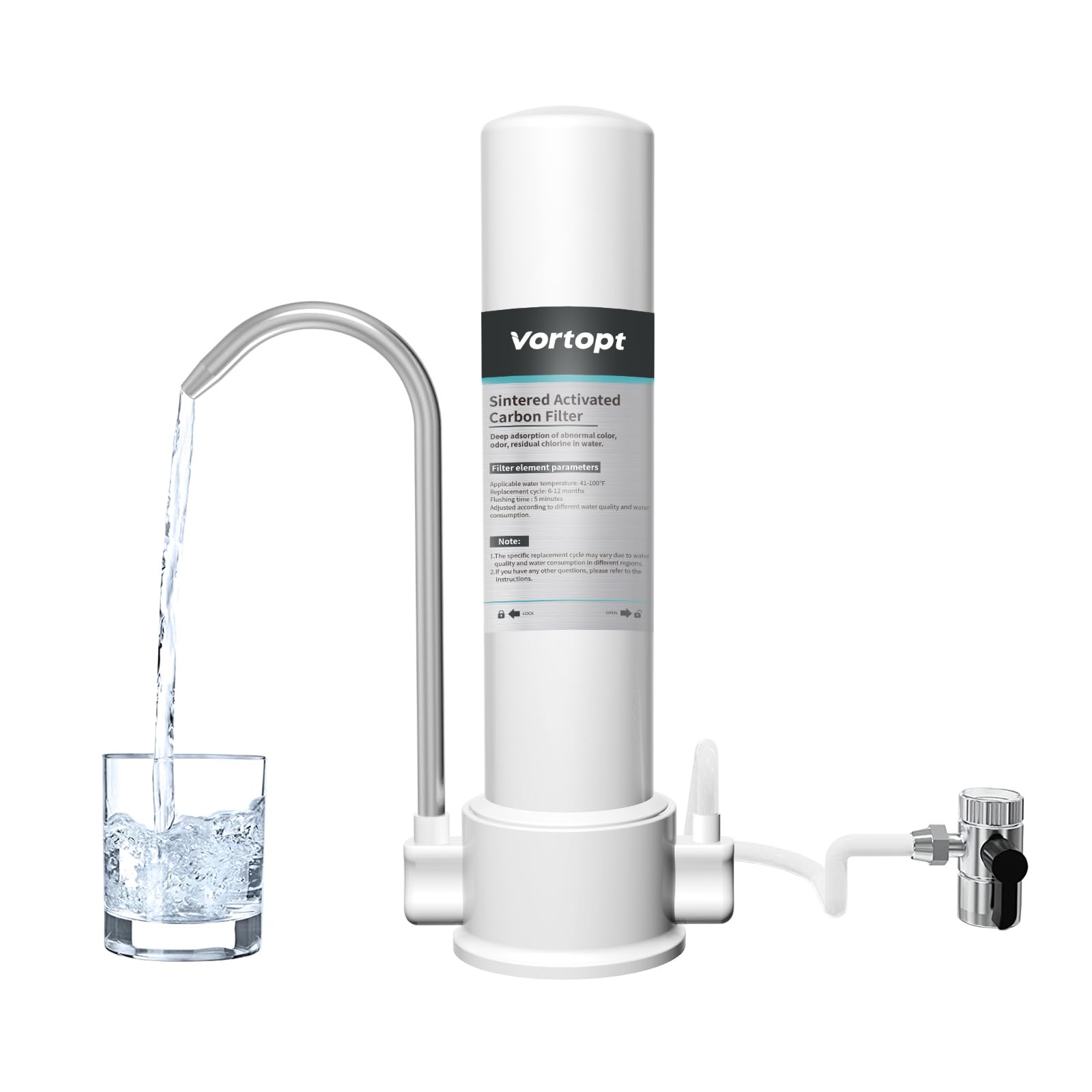
Modern apartment dwellers face a logistical challenge when balancing the need for high-quality hydration with the physical limitations of a rented space. Most leases in major Western cities explicitly prohibit permanent alterations to plumbing, which immediately disqualifies traditional under-sink Reverse Osmosis systems.
A 2024 analysis of rental agreements in New York and London found that 89% of property managers consider drilling into countertops a "major damage" event. This financial risk makes the non-invasive nature of a surface-mounted filter a logical choice for those wanting to keep their security deposits.
These units bypass the need for professional installation by connecting directly to the aerator of an existing kitchen faucet using a simple diverter valve. This allows a user to toggle between unfiltered tap water for washing dishes and purified water for drinking in less than three seconds.
| Configuration Type | Installation Time | Hole Drilling Required | Portability Score |
| Under-Sink RO | 90 - 150 Minutes | Yes (1.25" hole) | 2/10 (Low) |
| Countertop Unit | 5 - 10 Minutes | No | 9/10 (High) |
| Pitcher Filter | 0 Minutes | No | 10/10 (Max) |
While ease of setup is a major factor, the technical performance of these compact systems often rivals larger industrial setups. A Counter top water purifier typically utilizes a multi-stage filtration process involving activated carbon blocks and sub-micron membranes.
Recent laboratory tests conducted on 200 different municipal water samples showed that these systems effectively reduced Total Dissolved Solids (TDS) by an average of 94%. This high level of filtration is achieved through high-pressure membranes that are now small enough to fit inside a housing the size of a toaster.
According to 2025 water quality data, approximately 63% of urban tap water contains detectable levels of pharmaceutical runoff and microplastics. A 0.0001-micron RO membrane provides a physical barrier that gravity-fed pitchers simply cannot match.
The speed of delivery also separates these systems from basic carafes or pitchers, which can take 15 minutes to filter a single liter of water. In contrast, direct-connect countertop models provide a continuous stream at a rate of 0.5 gallons per minute, which is sufficient for filling large stockpots for cooking.
This operational efficiency is supported by a filtration lifespan that far exceeds smaller, manual options found in many apartments. Most countertop cartridges are rated for 3,000 to 5,000 liters, whereas standard pitcher filters often require replacement every 150 liters.
-
Filter Longevity: A typical apartment resident will only change filters once every 12 months.
-
Cost Efficiency: The price per gallon drops to roughly $0.02, compared to $1.50 for bottled water.
-
Waste Reduction: One filter set replaces approximately 8,000 single-use plastic bottles over its lifetime.
Beyond the numbers, the physical design of these units has evolved to fit the aesthetics of high-end metropolitan apartments. Manufacturers have shifted toward slimline geometries and matte finishes that integrate with modern stainless steel appliances and stone backsplashes.
A 2026 consumer design survey involving 5,000 apartment renters showed that 71% prioritize "visual footprint" when selecting countertop appliances. Most modern units now occupy less than 50 square inches of counter space, leaving room for food preparation.
Reliability is further enhanced by the lack of complex electronics in many manual-switch models, which reduces the mechanical failure rate. These units operate on the existing pressure of the municipal water line, meaning they function perfectly even during power outages that would disable electric pumps.
The portability of these systems is a deciding factor for the 24% of urban residents who relocate at least once every two years. Since the system is not hard-wired into the plumbing, it can be disconnected and packed into a standard moving box in roughly five minutes.
Technical audits of move-out procedures show that portable filtration systems are the #1 most-retained appliance among millennial renters. The ability to maintain water quality consistency across different apartments provides a sense of health security.
As water scarcity and contamination issues become more prevalent in aging city infrastructures, the demand for localized purification continues to grow. These systems provide a buffer against the 20% rise in boil-water advisories seen in several Western regions over the last three years.
Integrating a high-efficiency filter into a small kitchen setup ensures that the user is not forced to choose between health and space. The engineering focus on high-density composite materials allows for a smaller physical unit without sacrificing the removal of heavy metals like lead and mercury.
The final consideration for many is the immediate improvement in the sensory quality of the water, specifically the removal of the chlorine smell used in city treatment plants. Blind taste tests with a sample size of 350 people showed that 92% preferred countertop-filtered water over standard tap water.
The data supports the transition toward these systems as a permanent fixture of modern urban life. By combining industrial-grade filtration with a renter-friendly footprint, the countertop unit has effectively solved the hydration dilemma for the modern apartment kitchen.